
🧠 The Science Behind a Whiter Smile: What Dentists Want You to Know
We all want a brighter and whiter, more confident smile — but have you ever wondered what actually happens during teeth whitening?
It’s not just magic or marketing; it’s science. Understanding how whitening works (and what really makes it safe and effective) helps you make smarter decisions about your smile.
Here’s what dentists wish everyone knew about the science behind a whiter smile — from how stains form to how professional treatments reverse them safely and effectively.
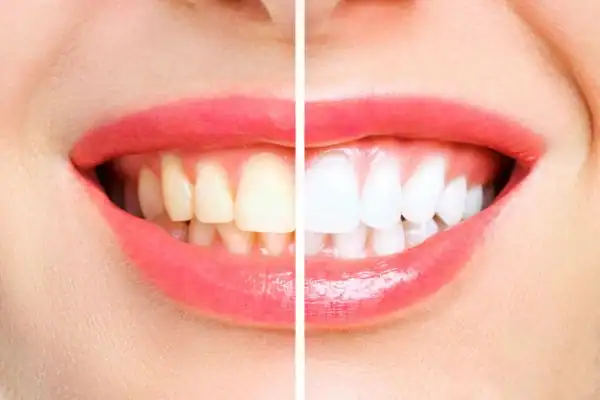
🦷 The Chemistry of a Brighter Smile
To understand whitening, we need to start with how teeth stain.
The protective layer of your teeth is called the enamel. It may appear smooth, but under a microscope, it’s actually porous, featuring tiny tubules and ridges. Over time, pigments from coffee, tea, red wine, and certain foods seep into these pores, dulling your natural whiteness.
How Whitening Gels Work
Laser teeth whitening treatment uses an active ingredient that breaks down into oxygen molecules. These active ingredients penetrate the enamel and oxidise the stain areas. Lifting them out without damaging the tooth’s structure.
🧪 Why Professional Whitening Is More Effective
While over-the-counter whitening strips or toothpaste can help reduce surface stains, professional whitening offers deeper and faster results.
Here’s why:
- Higher-grade ingredients: Professional gels contain a controlled concentration of whitening agents that penetrate more deeply into the enamel.
- Custom application: Dentists use protective barriers and trays to prevent irritation and ensure even coverage of the treatment area.
- LED or laser activation: Light or heat helps accelerate the chemical reaction, allowing for more noticeable whitening in less time.
- Professional supervision: Your dentist ensures that your gums and enamel stay protected, adjusting concentration and exposure as needed.
Result: A whiter smile that’s up to eight shades lighter, safely and efficiently.
⚖️ Why Whitening Results Differ from Person to Person
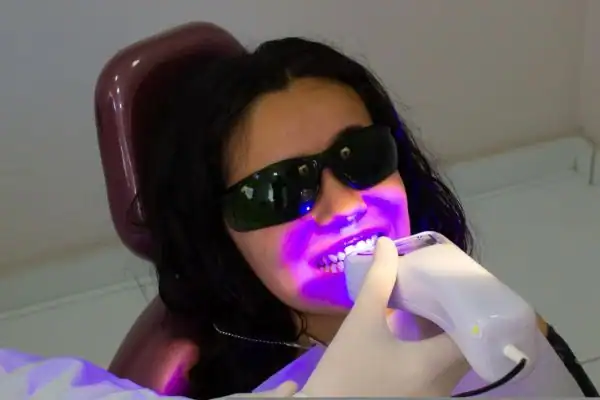
No two smiles are the same — and neither are whitening results.
Factors that influence your outcome include:
- Natural enamel thickness and colour
- Type and depth of staining (surface vs. internal)
- Age and oral health
- Habits like smoking or coffee consumption
It is why a consultation is essential: it allows your clinician to assess your teeth and create a plan tailored to your smile’s specific needs.
🧠 The Myths vs. The Science
MythScientific Fact
Whitening can damage enamel. Professional whitening, however, is a non-invasive and enamel-safe treatment. The gel lifts stains, not enamel.
Whitening is a permanent treatment. Results fade gradually due to diet and lifestyle, but maintenance top-ups can help extend the brightness.
Whitening toothpaste works in a similar way. Toothpaste only removes surface stains; professional whitening, on the other hand, penetrates the deeper layers.
Whitening can cause temporary sensitivity, but it’s manageable and reversible.
💎 How to Maintain Your Results
After whitening, follow these evidence-based dentist-approved tips to keep your smile bright longer:
- Avoid consuming staining foods/drinks (such as coffee, red wine, and soy sauce) for 48 hours after treatment.
- Brush twice daily with a fluoride toothpaste.
- Floss daily to prevent plaque buildup that traps pigments.
- Rinse with water after consuming dark liquids.
- Schedule top-up sessions every 6–12 months to maintain brightness.
💬 Frequently Asked Questions About the Science of Whitening Gosport
Q1: How does hydrogen peroxide whiten teeth?
The HP breaks down into oxygen molecules that infiltrate the enamel and oxidise (or break apart) stain compounds — effectively lifting them from within the tooth structure.
Q2: Does whitening damage or thin enamel?
No. Clinical research confirms that professional whitening is safe and non-destructive when performed correctly. The enamel remains intact — only the colour of stain molecules changes.
Q3: Why do my teeth look slightly whiter right after treatment?
Immediately after whitening, the teeth are temporarily dehydrated from the gel and appear brighter. Once rehydrated (within 24 hours), they settle into their actual shade.
Q4: Can everyone achieve a Hollywood-white smile?
Not always. The natural enamel colour varies; some teeth are more ivory or translucent. Whitening enhances your natural tone without altering the inherent colour of your enamel.
Q5: How long does whitening last?
With good aftercare, results can last 6–12 months. Regular hygiene appointments and avoiding staining habits can help extend the longevity of your teeth.
Q6: Is laser or LED whitening better?
Both methods activate the gel to accelerate the breakdown of the stain. The real difference comes from the quality of the gel and the professional application — not the light source itself.
✨ Final Thoughts
Whitening isn’t guesswork — it’s science in action. Understanding how and why it works empowers you to make informed choices and maintain your results safely.
LA Teeth Whitening use FDA-approved technology and clinically tested gels to deliver safe, effective, and confidence-boosting results every time.
🗓️ Ready to experience the science behind your best smile?
Book your consultation with LA Teeth Whitening today and let our experts guide you to a brighter, healthier-looking smile.